Record heat tests the grid across three continents
Demand peaks arrived earlier than planners modelled. The response is revealing which networks were built for the climate they now have.
By Priya Ramanathan · Climate Correspondent
Delhi · 23 Aug 2026, 12:00 UTC · 8 min read
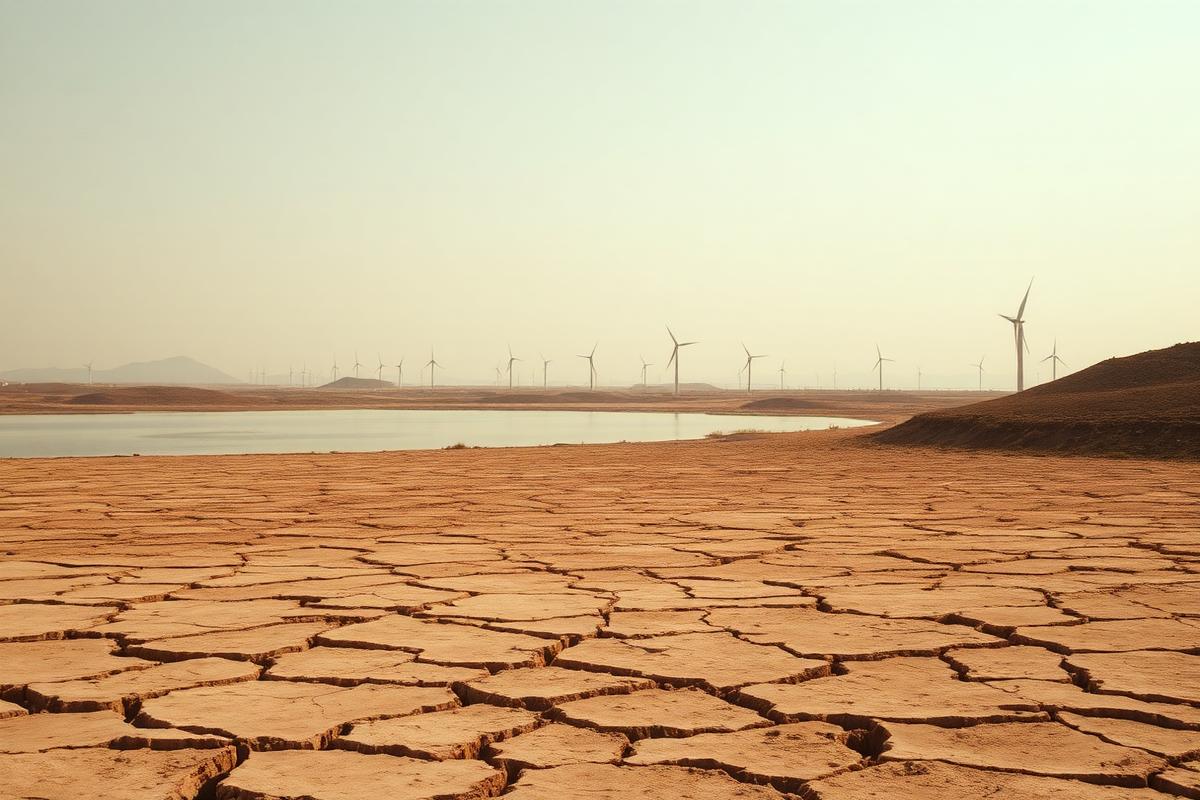
Grid operators in three regions issued peak-demand notices within the same week — a development that had been building for months in briefing rooms and second-tier committee papers before it surfaced in public this week. Officials involved describe a process that was slower and more contested than the announcement suggested.
Storage capacity absorbed the first evening ramp and then ran out. The immediate consequences are narrow. The structural ones are not: the decision commits institutions to a direction that is expensive to reverse, and it does so at a moment when several of the assumptions underneath it are still being tested.
CircaPost spoke to people across three capitals with knowledge of the discussions. Their accounts agree on the sequence of events and diverge on the motive. That gap is itself instructive, and it is the part of the story most likely to matter a year from now.
What comes next is a question of implementation rather than intent. Watch the funding line, the appointments and the first review date — those three signals will say more about durability than any statement issued alongside the announcement.
Verification
Last checked 23 Aug · 2 sourcing notes
100% of claims confirmed
Corroborated by two or more sources our desk trusts, or by a document we have seen.
Three operators issued peak notices.
Storage discharged fully on two evenings.
Sourcing: Grid operator notices · Published demand data
Sources
- Grid operator notices
- Published demand data
Corrections: none issued. Prototype edition — all stories, people and market data on this site are fictional samples.